

Buying New Construction vs. Existing Homes in San Antonio: What Buyers Should Weigh
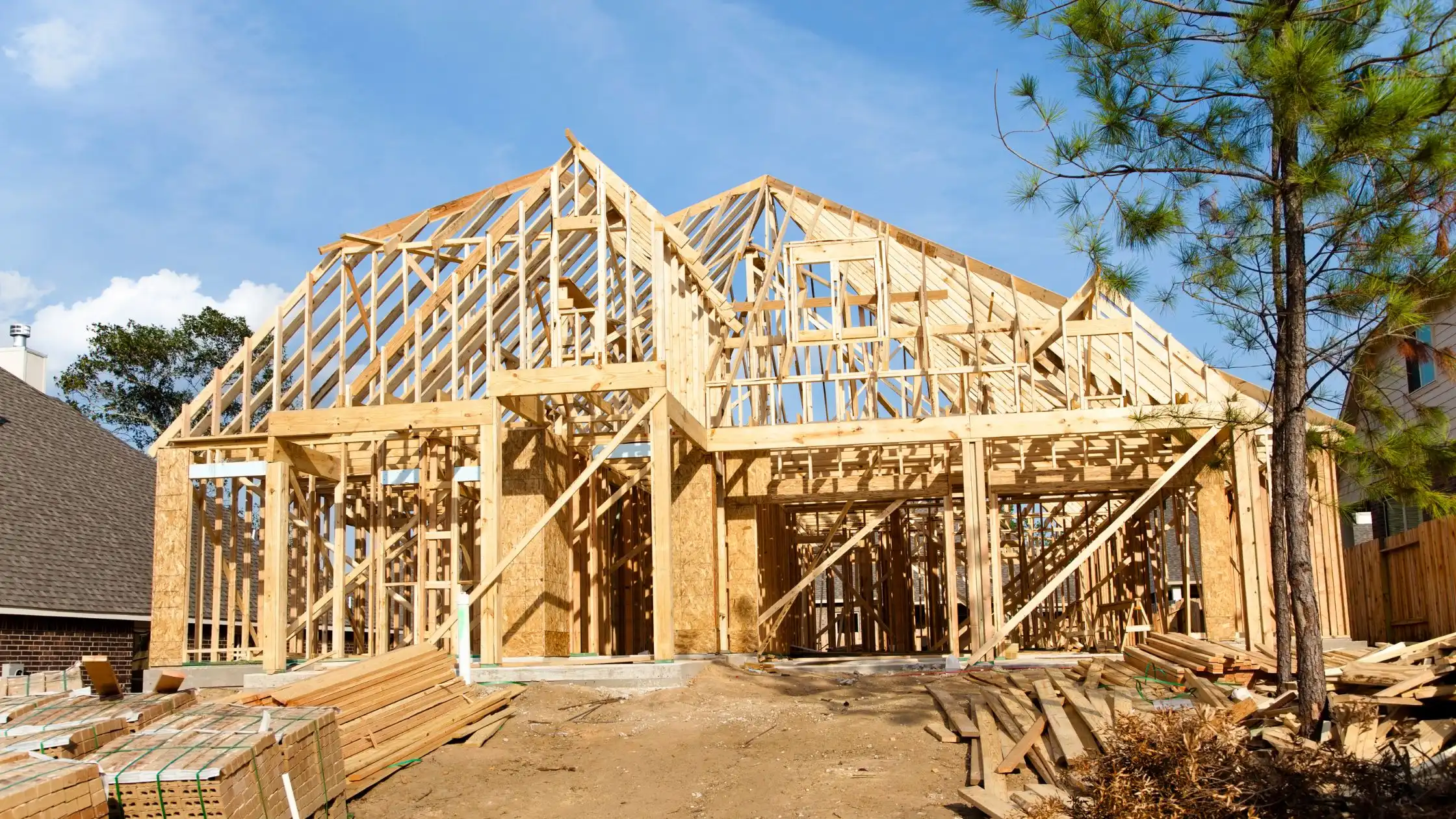
When you’re relocating to San Antonio – especially on a PCS timeline – the decision between new construction and an existing home isn’t just about preference. It’s about timing, flexibility, and understanding what you’re actually signing up for.
Both options have merit. But they require different levels of patience, different financial structures, and different expectations about what “move-in ready” actually means.
If you’re weighing these two paths, here’s what matters most.
New Construction: What It Really Means
New construction sounds straightforward. You pick a floor plan, find a home that is estimated to be completed around the time of your arrival, and move into a house no one else has lived in.
But the process is rarely that simple.
Most new construction in San Antonio happens in developing neighborhoods on the city’s northeast, northwest, and far west sides. Builders control inventory. They control pricing. And in many cases, they control your financing options, your title company, and your closing timeline.
You’re not negotiating with a motivated seller. You’re negotiating with a corporation that has legal teams, preferred lenders, and contracts designed to protect the builder – not you.
That doesn’t mean new construction is a bad choice. It means you need to understand what you’re entering into before you sign anything.
The Appeal of New Construction for Military Buyers
For military families, new construction offers a few clear advantages.
Everything is under warranty. If something breaks in the first year, the builder is responsible. That peace of mind matters when you’re managing a move, a new duty station, and a household transition all at once.
You’re not inheriting someone else’s deferred maintenance. There’s no mystery about the age of the roof, the condition of the HVAC, or whether the previous owner actually replaced the water heater like they claimed.
Many new builds also come with energy-efficient systems, which can mean lower utility costs in San Antonio’s long, hot summers.
And if you’re unfamiliar with San Antonio neighborhoods, a new development can feel like a contained, predictable starting point. The streets are clean. The landscaping is uniform. The amenities are new.
But those advantages come with tradeoffs.
The Realities of New Construction Timelines
If you’re on a PCS timeline, new construction can be risky.
Builders give estimated completion dates, but those dates shift. Supply chain delays, weather, permitting issues, and labor shortages all affect when your house is actually finished. A build that was supposed to close in March might not be ready until May – or later.
If you’re arriving on a hard move-in date, that uncertainty creates a logistical problem. You may need temporary housing. You may need to extend a lease. You may need to store your household goods longer than planned.
Some buyers assume they can lock in a home early and avoid the timeline crunch. But most builders won’t allow you to close until the home is 100% complete and has passed final inspection. You can’t take possession early. You can’t move in while they finish punch list items.
If timing flexibility is limited, new construction may not be the right fit.
Builder Contracts Are Not Negotiable – Mostly
When you buy an existing home, you negotiate. You ask for repairs. You request credits. You adjust the closing date to match your schedule.
With new construction, the builder’s contract is the starting point, and most of it is non-negotiable.
Builders often require you to use their preferred lender. If you don’t, you may lose access to incentives – thousands of dollars in closing cost credits or rate buy downs that only apply if you finance through their mortgage company.
They also control which title company handles the closing. In Texas, the title company a buyer and seller work with is usually negotiable, but many builders write that choice out of the contract.
While base pricing is rarely flexible, incentives and upgrade credits can sometimes be negotiated – especially when the builder has excess inventory or is trying to close out a phase. If a model has been sitting longer than expected, or if the builder is under pressure to hit quarterly sales targets, there may be room to negotiate flooring upgrades, appliance packages, or closing cost contributions.
You can push back on some terms. You can bring your own agent (which you should). You can review the contract with an attorney. But the leverage is not balanced. The builder is not motivated to accommodate you the way a traditional seller might be.
This is not a red flag. It’s just the structure of the transaction. If you go into it expecting a traditional negotiation, you could end up being frustrated.
Existing Homes Offer Immediate Clarity
When you’re buying an existing home, you see exactly what you’re getting.
The house is finished. The neighborhood is established. The trees are mature. The schools, traffic patterns, and nearby amenities are known quantities. And sometimes, the bedrooms are much larger.
You can walk through the home, assess its condition, and make an informed decision based on what’s in front of you – not what a rendering suggests it might look like.
For military buyers with firm report dates, existing homes offer timeline certainty. If the home is vacant and inspections go smoothly, you can close in three to four weeks. If the seller is motivated, you can often negotiate a closing date that aligns with your PCS orders.
You also have more negotiating power. If the inspection reveals issues, you can ask for repairs or credits. If the appraisal comes in low, you can renegotiate. If you need the seller to cover part of your closing costs, that’s a conversation you can have.
The transaction structure is more flexible, and that flexibility matters when you’re coordinating a cross-country move with a narrow window.
What Existing Homes Require
The tradeoff is that older homes come with unknowns.
Even with a thorough inspection, you may discover issues after you move in. The HVAC system might be older than you’d like. The roof might have a few years left, but not many. The water heater, the garage door opener, the fence – all of it has a lifespan, and you’re inheriting it mid-cycle.
Some buyers see this as a dealbreaker. Others see it as manageable, especially if the home is priced appropriately and the inspection gives them a clear picture of what’s ahead.
If you’re planning to stay in San Antonio for several years, the age of the systems matters less. You’ll replace them as needed, and you’ll have time to spread out those costs.
If you’re planning to PCS again in three years, the condition of the home becomes more important. You don’t want to replace a roof or an HVAC system right before you sell.
Resale Positioning: New Construction vs. Established Neighborhoods
If you’re buying a home you’ll eventually sell, resale positioning matters.
New construction neighborhoods can appreciate quickly in the first few years, especially if the development fills in and the area becomes desirable. But they can also stagnate if the builder floods the market with inventory or if the surrounding infrastructure doesn’t keep pace with growth.
Established neighborhoods tend to hold value more predictably. They’re not subject to builder pricing strategies. They’re not competing with 50 other identical floor plans in the same subdivision. And they’re often closer to central San Antonio, which appeals to a broader range of buyers when it’s time to sell.
That doesn’t mean new construction is a poor investment. It means you need to evaluate the long-term trajectory of the area, not just the appeal of a new house.
Financing and Appraisal Differences
New construction appraisals are based on comparable sales of similar floor plans in the same development. If the builder has been selling homes at a consistent price point, your appraisal should align with your contract price.
But if the builder raises prices mid-development – which many do – you may end up in a situation where your contract price exceeds the appraised value. If that happens, you’ll need to renegotiate with the builder, which is rarely straightforward.
Existing homes have more comparable sales data to draw from, which generally makes appraisals more predictable. But older homes can also appraise low if they’re in need of updates or if recent sales in the neighborhood were lower than expected.
Either way, understanding how your financing will work – and what could go wrong – is part of making an informed decision.
Comparing the Two: What Matters Most
The decision between new construction and an existing home isn’t about which is objectively better. It’s about which aligns with your timeline, your risk tolerance, and your plans for San Antonio.
Here’s how to think through it strategically.
Choose new construction if:
- You prefer modern design and energy efficiency
- You’re comfortable with potential timeline shifts
- You want full builder warranties on systems and structure
- You’re purchasing in a high-growth corridor with strong long-term trajectory
Choose an existing home if:
- You need a faster, more predictable closing timeline
- You want a fully developed neighborhood with established infrastructure
- You prefer mature landscaping and known surroundings
- You value negotiation flexibility on price, repairs, and closing costs
Neither option is inherently superior. It’s about alignment with your situation.
What Military Buyers Should Prioritize
If you’re relocating to San Antonio on PCS orders, logistics often outweigh aesthetics.
Before deciding, consider:
- Your report date and how much timeline flexibility you actually have
- Whether temporary housing or extended storage is realistic if a build delays
- Your loan pre-approval strength and whether the builder’s lender offers better terms
- How long you plan to stay and what that means for resale positioning
- Local commute patterns from the neighborhoods you’re considering
If you’re buying remotely – which many military families do – structure becomes even more critical. Virtual tours, trusted local representation, and contract clarity aren’t optional. They’re the foundation of a sound decision.
The goal isn’t just to close on time. It’s to position yourself well for the years ahead, whether this assignment lasts three years or longer.
The Bottom Line
San Antonio offers both strong new construction opportunities and well-positioned existing homes. The right choice depends less on what’s newer and more on what fits your timeline, your tolerance for uncertainty, and your long-term goals.
If you’re relocating to the area – especially on military orders – the smartest first step isn’t choosing a builder or browsing listings.
It’s building a strategy first.

Jennifer Anderson is a military-friendly Realtor in San Antonio who specializes in helping active-duty and veteran families navigate PCS moves and home buying on the far west side of the city. As a military spouse, she brings firsthand experience with VA loans, relocation timelines, and the realities military families face when moving to or within San Antonio.
Social Cookies
Social Cookies are used to enable you to share pages and content you find interesting throughout the website through third-party social networking or other websites (including, potentially for advertising purposes related to social networking).