

Summer Survival Guide for San Antonio Homeowners
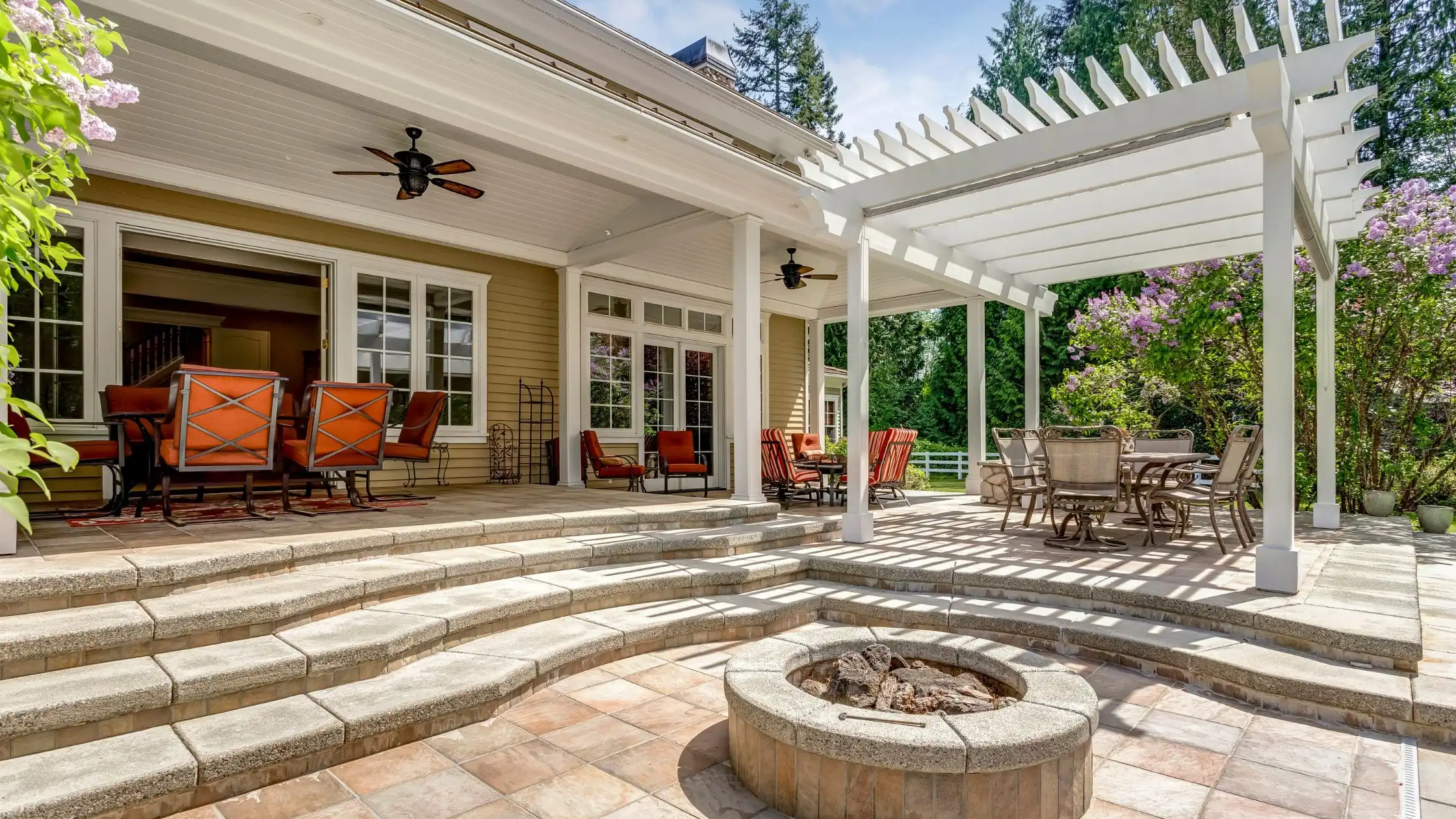
If this is your first summer in San Antonio, buckle up! You’re about to discover what 100+ degree days actually feel like – and what they do to your home, your yard, and your energy bill.
San Antonio summers are long, hot, and relentless. June through September routinely bring triple-digit temperatures, intense sun exposure, and drought conditions that stress everything from your HVAC system to your landscaping.
But living through a San Antonio summer doesn’t have to mean constant discomfort or sky-high utility bills. With the right preparation and a few strategic adjustments, you can keep your home cool, protect it from heat damage, and actually enjoy the season.
Here’s how to survive – and maybe even thrive – during San Antonio’s hottest months.
Prepare Your HVAC System Before Summer Hits
Your air conditioning system is about to work harder than it does the rest of the year combined. If it’s not ready, you’ll find out the hard way – usually on the hottest day of the year.
- Schedule maintenance in late spring – Have a professional HVAC technician inspect and service your system before temperatures spike. They’ll check refrigerant levels, clean coils, inspect ductwork, and make sure everything is running efficiently.
- Replace your air filter – A dirty filter makes your system work harder and reduces efficiency. Replace it at the beginning of summer and check it monthly. During peak summer months, you may need to replace it more frequently.
- Check your thermostat – Make sure your programmable or smart thermostat is set correctly. You want your system to run efficiently when you’re home and reduce energy use when you’re not.
- Clear debris around your outdoor unit – Leaves, dirt, and debris around your condenser unit reduce airflow and efficiency. Keep the area around it clear and trim back any vegetation within two feet.
An HVAC failure in July or August isn’t just uncomfortable – it’s expensive and potentially dangerous. Preventive maintenance now saves you from emergency repair costs later.
Use Your Thermostat Strategically
You don’t need to keep your home at 68 degrees all day to stay comfortable – and doing so will cost you hundreds of dollars over the summer.
- Set your thermostat to 78 degrees when you’re home – This is the sweet spot recommended by energy experts. It keeps your home comfortable without overworking your system. Use ceiling fans to circulate air and make it feel cooler.
- Raise the temperature when you’re away – If you’re gone during the day, set your thermostat to 82-85 degrees. Your system won’t have to work as hard, and you’ll save on energy costs. Program it to start cooling an hour before you get home.
- Avoid drastic temperature changes – Don’t set your thermostat to 65 degrees hoping your home will cool faster. Your system doesn’t work that way. It cools at the same rate regardless of the setting, and you’ll just end up overcooling and wasting energy.
- Use a smart thermostat if you don’t have one – Smart thermostats learn your schedule, adjust automatically, and can be controlled remotely. CPS Energy offers rebates on qualifying smart thermostats, which can offset the purchase cost.
Small thermostat adjustments can save you 10-15% on your cooling costs over the summer.
Maximize Ceiling Fans and Airflow
Ceiling fans don’t cool the air – they move it. But that movement makes your home feel several degrees cooler, which means you can set your thermostat higher and use less energy.
- Make sure your ceiling fans are set to rotate counterclockwise in summer – This pushes air down and creates a cooling breeze. Most fans have a switch on the motor housing to reverse direction.
- Run fans only in occupied rooms – Fans cool people, not rooms. Turn them off when you leave to save energy.
- Keep interior doors open – Closing doors to unused rooms can actually reduce airflow and make your HVAC system work harder. Keep doors open to allow air to circulate throughout your home.
If you don’t have ceiling fans in main living areas or bedrooms, installing them is one of the most cost-effective upgrades you can make for summer comfort.
Block Heat From Windows
Windows are one of the biggest sources of heat gain in your home. Sun streaming through south- and west-facing windows can make rooms uncomfortably hot and force your AC to work overtime.
- Close blinds and curtains during the day – Especially on south- and west-facing windows. This simple step can reduce heat gain by up to 45%.
- Install blackout or thermal curtains – These block more heat and light than standard curtains and make a noticeable difference in rooms that get intense afternoon sun.
- Consider window film or tinting – Reflective window film blocks UV rays and reduces heat gain without blocking natural light. It’s a permanent solution that pays off over time.
- Use exterior shades or awnings – If you have the budget, exterior shading is even more effective than interior treatments because it blocks heat before it enters your home.
Reducing heat gain through windows means your AC doesn’t have to work as hard, which lowers your energy bill and keeps your home more comfortable.
Protect Your Home’s Exterior
San Antonio’s intense sun and heat don’t just affect the inside of your home – they also stress your exterior surfaces, roof, and landscaping.
- Inspect your roof – Check for damaged or missing shingles, especially after storms. A damaged roof can allow heat to enter your attic and reduce your home’s energy efficiency.
- Keep your gutters clear – Summer storms can dump a lot of rain in a short period. Clogged gutters can cause water to back up and damage your roof or foundation.
- Check your attic insulation – Proper attic insulation keeps heat from radiating into your living spaces. If your attic insulation is thin or unevenly distributed, adding more can make a significant difference in cooling costs.
- Power wash exterior surfaces – Dirt, algae, and grime build up on siding, driveways, and walkways. A power wash in late spring refreshes your home’s appearance and prevents long-term damage.
- Seal cracks and gaps – Check around windows, doors, and vents for gaps that allow cool air to escape. Caulking and weatherstripping are inexpensive fixes that improve energy efficiency.
Taking care of your home’s exterior now prevents bigger problems later and keeps your cooling costs in check.
Water Your Landscaping Wisely
Keeping plants alive during a San Antonio summer requires smart watering – not just more watering.
- Water early in the morning – Watering between 5 and 9 a.m. reduces evaporation and gives plants time to absorb moisture before the heat of the day.
- Water deeply but less frequently – Instead of light daily watering, water deeply two or three times a week. This encourages deeper root growth and makes plants more drought-resistant.
- Mulch your beds – A 2- to 3-inch layer of mulch retains moisture, regulates soil temperature, and reduces the amount of watering you need to do.
- Focus on drought-tolerant plants – If you haven’t already transitioned to low-water landscaping, summer is a good time to identify which plants are struggling and plan replacements for fall planting season.
- Check for irrigation leaks – Broken sprinkler heads or leaking drip lines waste water and drive up your bill. Walk your yard and inspect your system regularly.
SAWS offers rebates on rain barrels and efficient irrigation systems, which can help offset the cost of upgrading your watering setup.
Manage Your Energy Bill With CPS Energy Programs
CPS Energy offers several programs to help San Antonio homeowners manage summer cooling costs.
- Average Billing – This program averages your energy costs over the year, so your summer bills are more predictable and you’re not hit with a $400 bill in August.
- Time-of-Use Rate Plans – If you can shift energy use to off-peak hours (like running your dishwasher or doing laundry at night), time-of-use plans can save you money.
- Rebates on Energy-Efficient Upgrades – CPS Energy offers rebates on HVAC systems, insulation, smart thermostats, and other energy-efficient improvements. If you’re planning upgrades, check their website for current offers.
These programs won’t eliminate your summer energy costs, but they can make them more manageable.
Make Outdoor Spaces Usable
San Antonio summers are hot, but that doesn’t mean you have to stay inside for four months.
- Create shade – Pergolas, shade sails, and large umbrellas make patios and decks usable even in the afternoon. Native shade trees provide long-term relief as they mature.
- Install misting systems or fans – Outdoor misting systems and ceiling fans can drop the temperature in covered patios by 10-15 degrees, making outdoor spaces comfortable even in July.
- Use your outdoor spaces in the morning or evening – Early mornings and late evenings are when San Antonio’s summer heat is most tolerable. Plan outdoor activities during these times instead of midday.
If you have a pool, this is the season to use it. If you don’t, consider visiting one of San Antonio’s public pools or splash pads to cool off.
Stock Up on Summer Essentials
A few simple items make San Antonio summers more bearable.
- Portable fans – Keep a few small fans around for rooms that need extra airflow or for overnight cooling.
- Insulated water bottles – Staying hydrated is critical in extreme heat. Keep insulated bottles filled with cold water throughout the day.
- Sunscreen and hats – Even short trips outside expose you to intense UV rays. Protect your skin.
- Emergency supplies – Summer storms can knock out power. Keep flashlights, batteries, and a battery-powered fan on hand in case your AC goes out during a heat wave.
These aren’t expensive investments, but they make a noticeable difference in comfort and safety.
Know When to Call for Help
If your AC is struggling, your energy bill is unusually high, or your home isn’t cooling evenly, don’t wait to address it.
Call an HVAC technician if:
- Your system is running constantly but not cooling effectively
- You notice strange noises or smells
- Your energy bill spikes unexpectedly
- Rooms aren’t cooling evenly
Summer HVAC repairs are expensive and in high demand, so catching problems early saves you money and prevents a total system failure during the hottest part of the season.
The Bottom Line
San Antonio summers are intense, but they’re manageable if you’re prepared.
Service your HVAC system before temperatures spike. Use your thermostat strategically. Block heat from windows. Protect your home’s exterior. Water your landscaping wisely. And take advantage of CPS Energy and SAWS programs to manage costs.
You can’t change the weather, but you can make your home more comfortable and efficient – and enjoy summer instead of just surviving it.

Jennifer Anderson is a San Antonio Realtor providing local market insights with a focus on far west side neighborhoods and the needs of military and relocating families. She helps clients interpret market data in practical terms so they can make confident buying and selling decisions.
Social Cookies
Social Cookies are used to enable you to share pages and content you find interesting throughout the website through third-party social networking or other websites (including, potentially for advertising purposes related to social networking).