

How Population Growth Is Changing San Antonio Real Estate
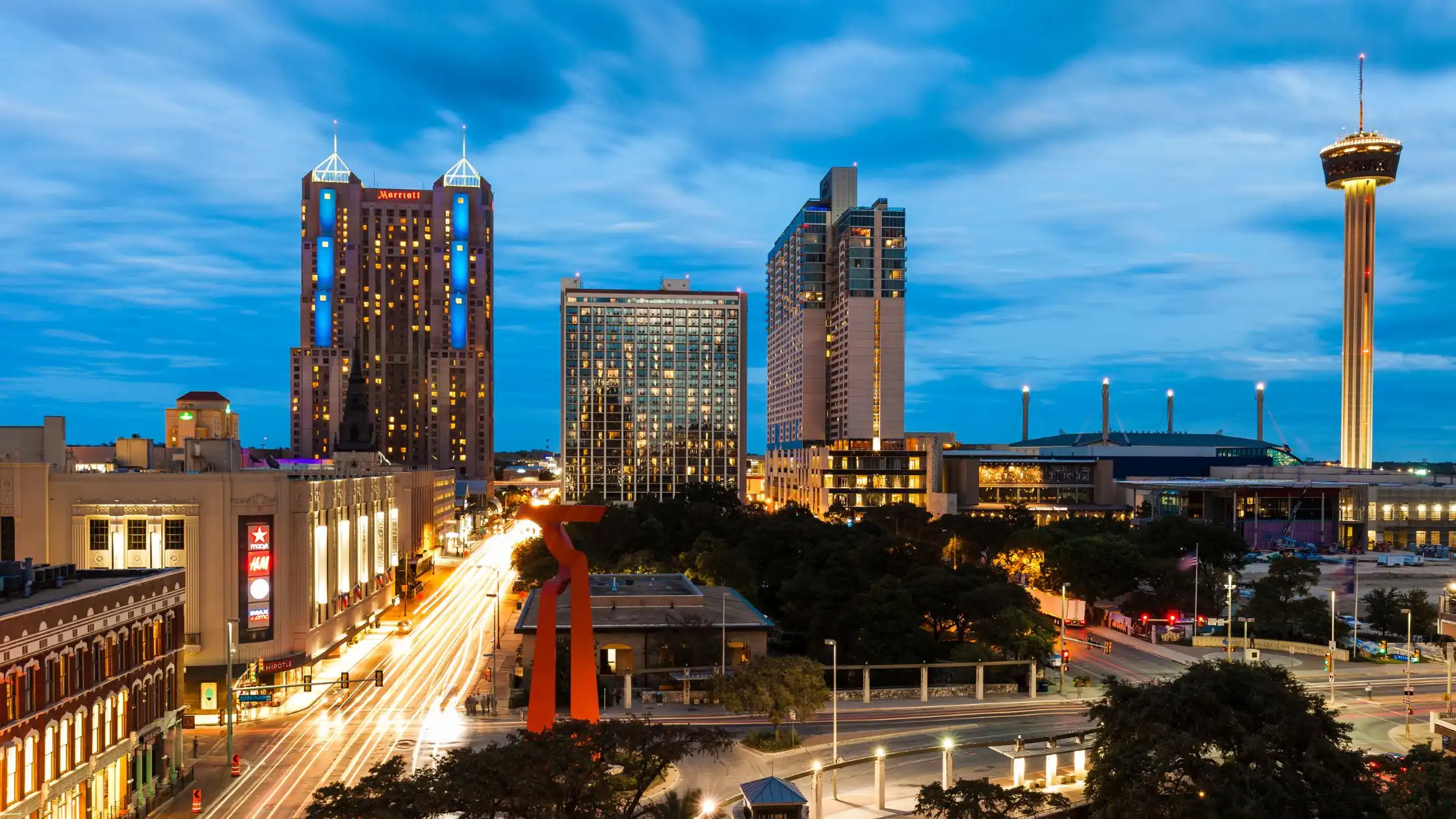
San Antonio is growing – and it’s growing fast.
Over the past decade, the San Antonio metro area has consistently ranked among the fastest-growing regions in the United States. People are moving here from other states, other countries, and other parts of Texas, drawn by military orders, job opportunities, affordability and quality of life.
That population growth is reshaping the real estate market in ways that affect buyers, sellers, and long-term homeowners. Neighborhoods that were on the outskirts a decade ago are now thriving suburban centers. Home prices are rising. Inventory dynamics are shifting. And the competition for well-located homes is intensifying.
If you’re buying, selling, or planning your next move in San Antonio, understanding how population growth is influencing the market helps you make more informed decisions.
Here’s what’s happening and what it means for real estate.
San Antonio’s Population Growth in Context
San Antonio’s metro area has added hundreds of thousands of residents over the past decade, with growth rates consistently outpacing the national average.
According to U.S. Census data, the San Antonio-New Braunfels metropolitan area grew by over 18% between 2010 and 2020, making it one of the top 10 fastest-growing metro areas in the country. That growth has continued into the 2020s, with estimates showing the region adding roughly 30,000 to 40,000 new residents annually.
This isn’t just organic growth from births exceeding deaths. A significant portion of San Antonio’s population increase comes from migration – people moving here from other states and countries.
The biggest sources of in-migration are California, other parts of Texas (particularly Houston and Dallas), and international migration from Mexico and Central America. Military relocations to Joint Base San Antonio also contribute steady population inflow.
This sustained growth creates demand for housing, which directly affects pricing, inventory availability, and development patterns.
Why People Are Moving to San Antonio
Population growth doesn’t happen in a vacuum. People are choosing San Antonio for specific reasons, and understanding those reasons helps explain which parts of the market are experiencing the most pressure.
- Affordability compared to other major cities – San Antonio remains more affordable than Austin, Dallas, Houston, and certainly coastal cities like Los Angeles, San Francisco, and New York. For buyers priced out of those markets, San Antonio offers a lower cost of living without sacrificing access to jobs and amenities.
- Job growth and economic opportunity – San Antonio’s economy is diversifying beyond its traditional bases of military, healthcare, and tourism. The city has attracted tech companies, manufacturing, logistics, and financial services, creating employment opportunities that draw workers from other regions.
- Military presence – Joint Base San Antonio is one of the largest military installations in the country. Military personnel and their families rotate through regularly, creating consistent demand for housing both to buy and rent.
- Quality of life – San Antonio offers cultural amenities, good weather, no state income tax, and a more relaxed pace than some larger Texas cities. For families and retirees, that combination is appealing.
These factors have made San Antonio an attractive destination, and as long as they remain in place, population growth is likely to continue.
How Population Growth Affects the San Antonio Market
Population growth creates ongoing demand for housing, but demand alone doesn’t determine prices – the balance between buyers and available homes matters more.
Bexar County added nearly 30,000 residents between 2023 and 2024, ranking as the 15th fastest-growing county in the nation (Texas Demographic Center, 2024). The San Antonio metro continues to attract residents from California, other Texas cities, and through international migration – including significant military-connected population through Joint Base San Antonio.
The market experienced significant appreciation during the 2010s and early 2020s. Home values in the San Antonio metro rose from around $175,000 in 2013 to approximately $293,000 by 2023 (in inflation-adjusted dollars) – a 67% increase (U.S. Census Bureau, American Community Survey). This surge was driven by pandemic-era demand, historically low interest rates, and critically tight inventory that dropped to just 1.2 months of supply at its lowest point.
However, market dynamics have shifted significantly. Inventory has recovered to around 5.5 months of supply as of early 2026 – moving from a severe seller’s market into more balanced, even buyer-favorable territory. As a result, average sales prices are now around $364,000, approximately 6% below the 2022 peak.
This doesn’t indicate a weak market. Prices remain substantially higher than pre-pandemic levels, reflecting real long-term demand. But the explosive pandemic-era growth has ended, and the market has entered a more stable phase where supply and demand are better balanced.
Population growth continues – San Antonio added residents at a steady pace even as the broader market cooled. But growth alone isn’t creating the inventory shortage that drove rapid price increases in 2020-2022. The metro area is adding residents while builders have ramped up construction and existing homeowners are more willing to list, creating a market where buyers have more options and less urgency than during the pandemic boom.
For homeowners, the impact depends on when you bought. Those who purchased five or more years ago have seen substantial equity appreciation that remains intact. Those who bought during the 2020-2022 surge may feel like their home has lost value compared to peak prices, even though the long-term trajectory remains upward. It just doesn’t feel like appreciation when you’re coming off an unsustainable spike. For buyers entering the market now, increased inventory and stabilized prices create more negotiating leverage and time to make thoughtful decisions without the pressure of bidding wars.
Inventory Dynamics and Development Patterns
San Antonio’s inventory situation has shifted dramatically over the past five years, moving from severe shortage to relative abundance.
During the pandemic (2020-2021), months of supply dropped to historic lows – as little as 1.2 months at the tightest point. This created intense competition, bidding wars, and rapid price appreciation as buyers competed for limited options. But that constraint has resolved. As of early 2026, the market is carrying around 5.5 months of supply – comfortably in balanced to buyer-favorable territory (San Antonio MLS data, January 2026).
This inventory recovery came from multiple sources. Builders ramped up production in response to pandemic-era demand. Existing homeowners who delayed listing during COVID uncertainty returned to the market. And buyer urgency cooled as interest rates rose and affordability concerns increased, reducing the pace at which homes left inventory.
Development has concentrated in specific areas. The Far North and Northwest corridors continue to see the most new construction activity, with master-planned communities extending well beyond Loop 1604. Far West San Antonio and parts of New Braunfels have absorbed significant growth. Meanwhile, inner-city neighborhoods like Southtown and King William have experienced gentrification and infill development, though at a much smaller scale than suburban expansion.
The result is a two-tier market. Established areas closer to the urban core have limited new inventory and rely primarily on existing home sales. Outer suburban areas have abundant new construction options, giving buyers more choices and more negotiating leverage. This geographic split affects pricing dynamics – inner neighborhoods maintain value through scarcity and desirability, while outer areas compete more directly on price and features.
For buyers, this means understanding which part of the market you’re shopping in. Inner-city and established suburbs may still feel competitive for well-priced homes. Outer suburbs and new construction communities offer more inventory and more room to negotiate.
Which Neighborhoods Are Changing the Most
Population growth doesn’t affect all parts of San Antonio equally. Some neighborhoods are experiencing more development, price appreciation, and demographic shifts than others.
Far North and Northwest San Antonio – This is where much of the suburban growth is happening. Master-planned communities, new shopping centers, and expanding infrastructure are drawing families and young professionals. Home prices in these areas have appreciated steadily as demand increases.
Far West Side – The area west of Loop 1604 has seen significant development over the past decade. New neighborhoods, schools, and retail have made this area more attractive to buyers who want newer homes and suburban amenities.
New Braunfels and surrounding areas – Technically outside San Antonio proper, New Braunfels has become part of the broader metro area as people seek more affordable housing and are willing to commute. Growth here has been explosive, and it’s now functionally an extension of San Antonio’s housing market.
Inner-city neighborhoods – Areas closer to downtown, like Southtown, King William, and parts of the near East Side, are experiencing gentrification and revitalization. Younger buyers and investors are purchasing older homes, renovating them, and driving up property values in neighborhoods that were historically more affordable.
Established suburbs – Neighborhoods in areas like Stone Oak, Alamo Heights, and Terrell Hills remain highly desirable and have seen steady appreciation, though they’re less affected by rapid development since they’re already built out.
Understanding which neighborhoods are growing and why helps buyers and sellers make strategic decisions about where to invest or when to sell.
How Growth Affects Buyers
For buyers, population growth means increased competition and higher prices – but it also means a strong, stable market with good long-term appreciation potential.
- More competition for desirable homes – In popular neighborhoods and school districts, well-priced homes often receive multiple offers. Buyers need to be prepared to act quickly and structure competitive offers.
- Rising prices reduce purchasing power – As prices increase, buyers may find themselves priced out of neighborhoods they could have afforded a few years ago. This forces many buyers to expand their search areas or adjust expectations.
- New construction offers alternatives – For buyers willing to move further out, new construction in developing areas provides access to homeownership at price points that may be more manageable than established neighborhoods.
- Long-term appreciation potential remains strong – San Antonio’s population growth suggests continued demand for housing, which supports long-term home value appreciation. Buyers who can afford to purchase now are likely to benefit from continued equity growth.
The key for buyers is understanding the market dynamics and positioning themselves strategically – whether that means broadening their search, acting quickly, or focusing on up-and-coming areas before they fully appreciate.
How Growth Affects Sellers
For sellers, population growth creates favorable market conditions – more buyers, less inventory, and upward pressure on prices.
- Stronger negotiating position – In neighborhoods with high demand and low inventory, sellers can often get close to asking price or even above asking with multiple offers.
- Faster sales timelines – Homes in desirable areas are selling more quickly than they did a decade ago. Well-priced, well-maintained homes can go under contract within days.
- Equity growth – Homeowners who purchased several years ago have likely seen significant equity appreciation, giving them more flexibility when it’s time to sell and move.
- Timing still matters – Even in a strong market, overpricing or poor preparation can cause a home to sit. Sellers still need to price strategically, stage effectively, and market well to maximize their outcome.
The advantage for sellers is that population growth creates consistent demand, which means well-positioned homes have a ready pool of buyers.
Infrastructure and Long-Term Challenges
Population growth brings economic benefits, but it also creates challenges – particularly around infrastructure.
- Traffic and commute times – As more people move to San Antonio, traffic congestion has increased, especially on major corridors like I-10, Loop 1604, and US 281. Commute times have lengthened, which affects where people are willing to live.
- School capacity – Rapidly growing school districts are adding students faster than they can build new schools. Some districts are overcrowded, and quality can vary as resources are stretched.
- Utilities and services – Water supply, energy infrastructure, and public services need to scale with population growth. San Antonio is managing these challenges, but they require ongoing investment and planning.
- Housing affordability – As prices rise, affordability becomes a concern for lower- and middle-income households. This affects workforce housing and can create displacement in gentrifying neighborhoods.
These challenges don’t negate the benefits of population growth, but they do shape how the market evolves and which areas remain most desirable over time.
What This Means for Long-Term Homeowners
If you already own a home in San Antonio and plan to stay for several more years, population growth is generally working in your favor.
Your home’s value is likely appreciating, which builds equity. Your neighborhood is likely becoming more established, with better amenities and services. And when you do decide to sell, you’ll be entering a market with strong demand.
The key is staying informed about market trends in your specific area and making strategic decisions about maintenance, upgrades, and timing when you’re ready to move.
The Bottom Line
San Antonio’s population growth continues at a steady pace – Bexar County added nearly 30,000 residents in the past year alone, ranking 15th nationally for numeric growth. But population growth alone doesn’t drive prices. What matters is the balance between demand and available inventory.
For homeowners who bought five or more years ago, equity appreciation remains strong and intact. For those who bought during the 2020-2022 surge, it may feel like values have stagnated or declined, even though the long-term trajectory is still upward. For buyers entering the market now, this represents an opportunity to purchase without the pressure of bidding wars, with more negotiating leverage than at any point since 2019.
Population growth will continue to support long-term demand in San Antonio. The metro area remains attractive for affordability, job growth, and quality of life compared to other major Texas cities. But the days of rapid, unsustainable price appreciation driven by inventory shortages are behind us. What we’re seeing now is a more stable, predictable market where both buyers and sellers can make informed decisions without the urgency that defined the pandemic era.
If you’re considering buying or selling in San Antonio, understanding these market dynamics – not just headlines about growth – will help you make better decisions about timing, pricing, and strategy.

Jennifer Anderson is a San Antonio Realtor providing local market insights with a focus on far west side neighborhoods and the needs of military and relocating families. She helps clients interpret market data in practical terms so they can make confident buying and selling decisions.
Social Cookies
Social Cookies are used to enable you to share pages and content you find interesting throughout the website through third-party social networking or other websites (including, potentially for advertising purposes related to social networking).